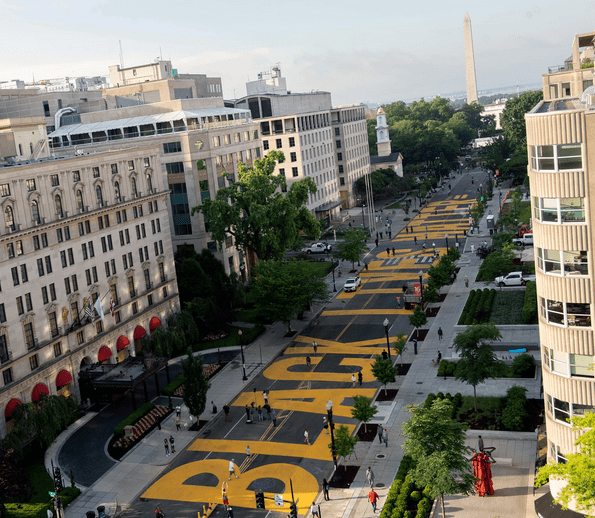
Racial equality and ethical consumerism. A mural of the words 'Black Lives Matter" painted in yellow on a road in Washington DC, 2 blocks from the White House, pointing to the Washington Monument.

Racial equality and ethical consumerism

Hey Folks. I think we all have different ways of dealing with the deaths of George Floyd, Breonna Taylor, and Ahmaud Arbery. The first thing for me was to start looking back – to Rodney King in LA, 1991, Oscar Grant in Fruitvale station in Oakland, 2009, Eric Garner in New York, 2014, and Michael Brown in Ferguson, Missouri, less than a month later. The … Continue reading Racial equality and ethical consumerism

The social impact of the meat industry. The image depicts a soldier with the words Meat is Murder written on his helmet. The image was used on the cover of The Smiths' 1985 album, Meat is Murder.

The social impact of the meat industry

One of the aspects of the meat industry that we don’t think about so much is the impact on humans – in particular, the social impact of slaughterhouses. We talk about the impact on the planet (climate change, land use, deforestation, pollution) and on the animals themselves, of course, but there’s also a very real and tragic impact on the human race. I’ve been meaning … Continue reading The social impact of the meat industry

A civet (the animal that transmitted the SARS virus to humans) looking out from a tree on the left. On the right is a pangolin (the animal originally thought to have transmitted the virus that causes COVID-19 to humans) being released from a cage into the wild.

Coronavirus may be our best chance to save the planet.

If you’re anything like me, you’re probably approaching burn out on Coronavirus articles by now. Well, prepare yourself for more, from COVID-19’s impact on the economy to fluffy social media posts about how we are changing the way we work and live (Look how my hair has changed after two months of isolation! ). But there are two essential things that we should really be … Continue reading Coronavirus may be our best chance to save the planet.

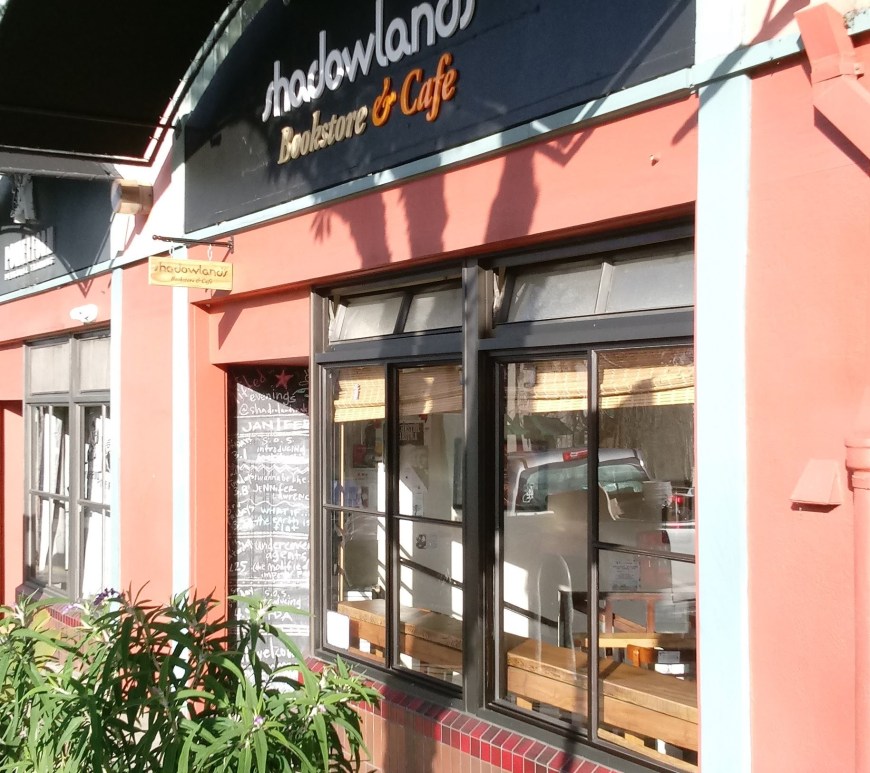
Shadowlands cafe in Oakland, which does not stock disposable cups; zero-waste cafe

Cafes saying no to disposable coffee cups

Hi folks! You know, there are many global issues that we could solve through simple changes in our lifestyle. Getting rid of disposable coffee cups is a good example. There has been a big push to find technological solutions to coffee cup waste, focusing on that plastic liner that makes cups hard to recycle. Designing more sustainable materials is a good thing  but, as Elaine … Continue reading Cafes saying no to disposable coffee cups

A picture of a toothpaste tube, annotated to suggest that 80% of the toothpaste is used in 4 weeks but the remaining 20% lasts for 4 months

What is ethical consumerism?

To me, ethical consumerism is a pretty self-explanatory term and I think that most people have a good idea of what it means. But it’s worthwhile to take a fresh look at the concept from time to time and address any misconceptions that crop up. So here’s a quick guide to ethical consumerism from the Green Stars Project: 1.     Ethical consumerism means consuming less 2.     … Continue reading What is ethical consumerism?

The top 7 actions to mitigate climate change from Project Drawdown. #1 Refrigerant Management; #2 Wind Turbines; #3 Reduce Food Waste; #4 Plant-Rich Diet; #5 Tropical Forests; #6 Educating Girls; #7 Family Planning

Ethical Consumerism, Part 9 – How to reduce your carbon footprint

I had always intended to write a post on the top things you can do to reduce your footprint. But I procrastinated, partly because I never felt that I’d done enough research and partly because the topic has been covered pretty widely. However, many of the lists that you’ll find online don’t really hit on the top priorities. Going back decades, we’ve had mantras like: … Continue reading Ethical Consumerism, Part 9 – How to reduce your carbon footprint

A graphic showing the three options provided by East Bay Community Energy: Bright Choice (38% renewable, 47% hydroelectric, and 15% conventional), Brilliant 100 (40% renewable and 60% hydroelectric), and Renewable 100 (100% renewable, from mainly wind and solar).

Renewable Energy comes to the East Bay

One of the top things that you can do to reduce your carbon footprint is to switch to a renewable electricity provider. In the East Bay (the cities across the bay from San Francisco, including Berkeley and Oakland) this has now become a lot easier! In fact, by default, electricity is now being provided by East Bay Community Energy (EBCE). PG&E electricity sources: mainly conventional … Continue reading Renewable Energy comes to the East Bay

Ethical Consumerism Part 8 – Slavery in the Chocolate Industry

Even though we might be vaguely aware that slavery still exists, many of us think of it as a thing of the past, or a thing that is separate from us. When we pick up a mainstream chocolate bar, it may not occur to us that the cacao was harvested by children who were sold (or tricked) into slavery, shipped to a foreign land and … Continue reading Ethical Consumerism Part 8 – Slavery in the Chocolate Industry