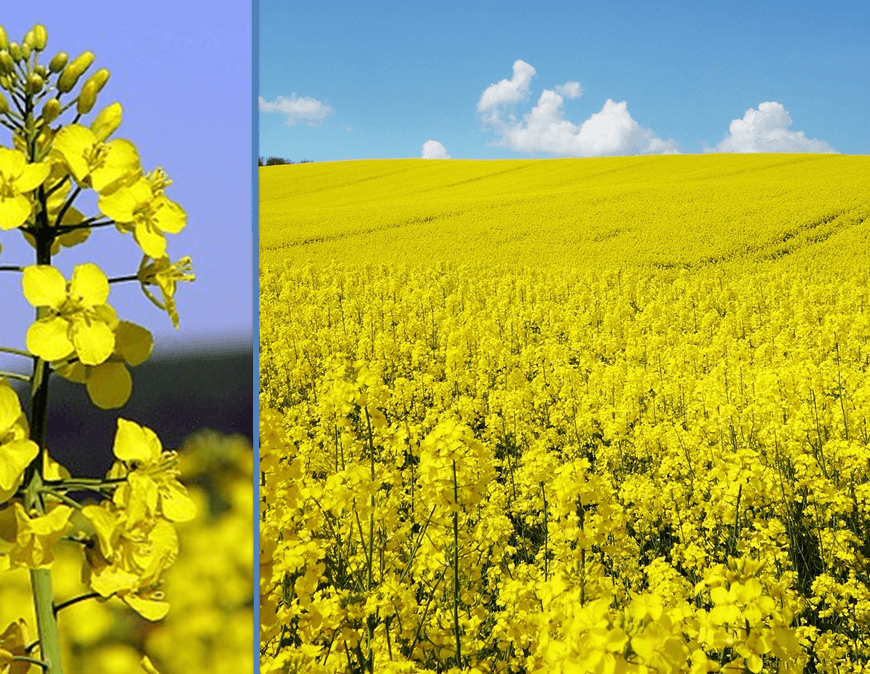
On the left is a close up photo of the bright yellow Rapeseed plant (Brassica napus) and on the right is a field of yellow rapeseed. Rapeseed oil has a good balance of omega-3, 6, and 9 fats.

Cooking oil drama! Is this seed oil blend actually ideal?

There has been a lot of scare mongering about seed oils from social media influencers, but they are not all equal. Some cooking oils have a very high ratio of omega-6 to omega-3 fats, which may be problematic, but there’s one notable exception: canola or rapeseed oil. A mix of canola oil and olive oil actually looks like a great choice from the three perspectives of value, health, and sustainability. Continue reading Cooking oil drama! Is this seed oil blend actually ideal?

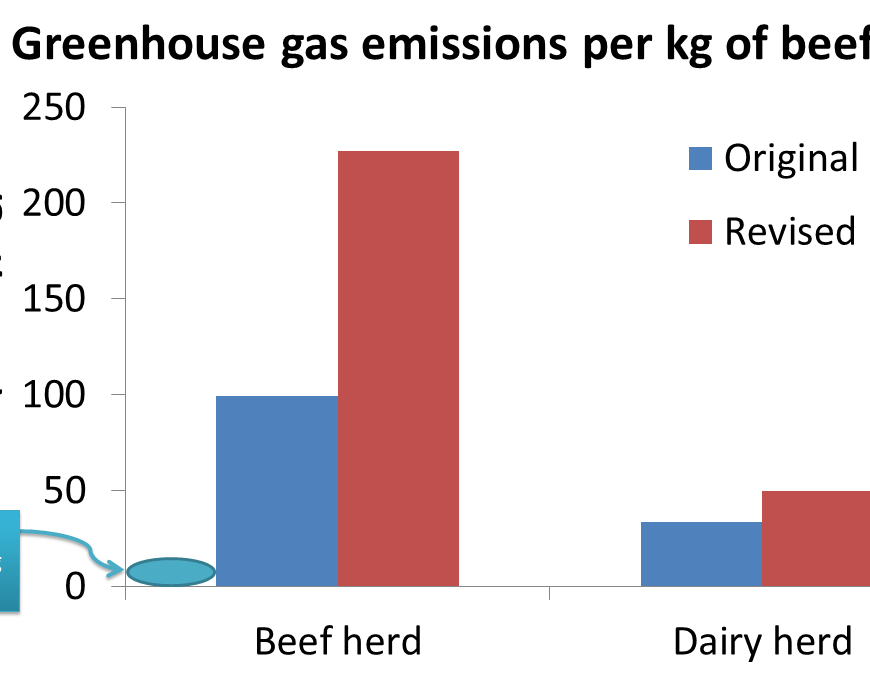
A chart shows revised carbon footprints for beef. Beef from a beef herd now has an estimated carbon footprint of 227 kg CO2eq / kg (up from 100). Beef from a dairy herd has a revised carbon footprint of 50 kg CO2eq / kg (up from 24). The chart also shows that "almost everything else" has a carbon footprint in the single digits or low double digits.

A mammoth adjustment to beef’s carbon footprint

This post examines a correction to a seminal paper by Oxford University scientists Poore and Nemecek on the environmental footprints of food. It shows that, of all the products we make, including the massive amounts of cement and steel used for construction, beef is categorically responsible for the most GHGs, by a very wide margin. Continue reading A mammoth adjustment to beef’s carbon footprint

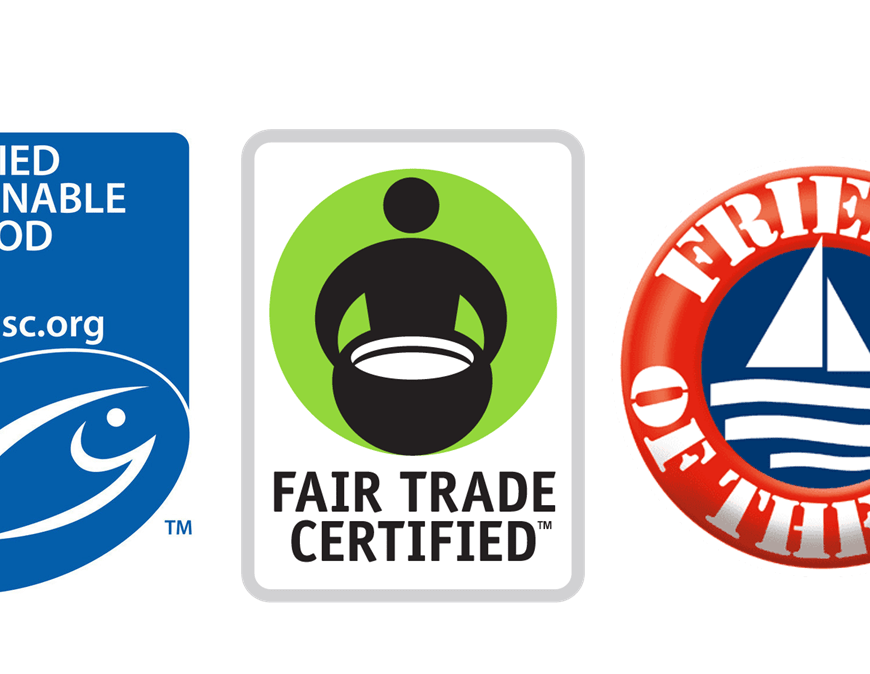
Three seafood certification logos are shown in a row: Marine Stewardship Council (MSC), Fair Trade USA, Friend of the Sea.

Are seafood certifications useful? Consider these two steps first!

I will examine the science on whether third-party certifications such as the Marine Stewardship Council, Friend of the Sea and Fair Trade are helpful for consumers seeking responsibly-caught seafood. However, before we look to certifications there are two other important factors that we should consider. Continue reading Are seafood certifications useful? Consider these two steps first!

The Rainforest Alliance logo is shown. It's a circular logo consisting of a green frog drawing in the center, surrounded by the words: Rainforest Alliance, People & Nature.

Is Rainforest Alliance an effective certification?

The level of shade cover is one of the best ways to determine if forest habitats are being maintained. The good news is that shade-tolerant crops such as cacao can tolerate over 30% shade cover with no reduction in crop yield. The bad news is that the Rainforest Alliance standards on shade cover have weakened over the years – 15% cover is now considered adequate. This begs the question: Is the Rainforest Alliance worthy of your support? Continue reading Is Rainforest Alliance an effective certification?

Three different Fairtrade International logos are shown on the left (explained in the caption) while three other program logos are shown on the right. They are, Fair For Life, the World Fair Trade Organization, and Fair Trade USA.

Should you support fair trade?

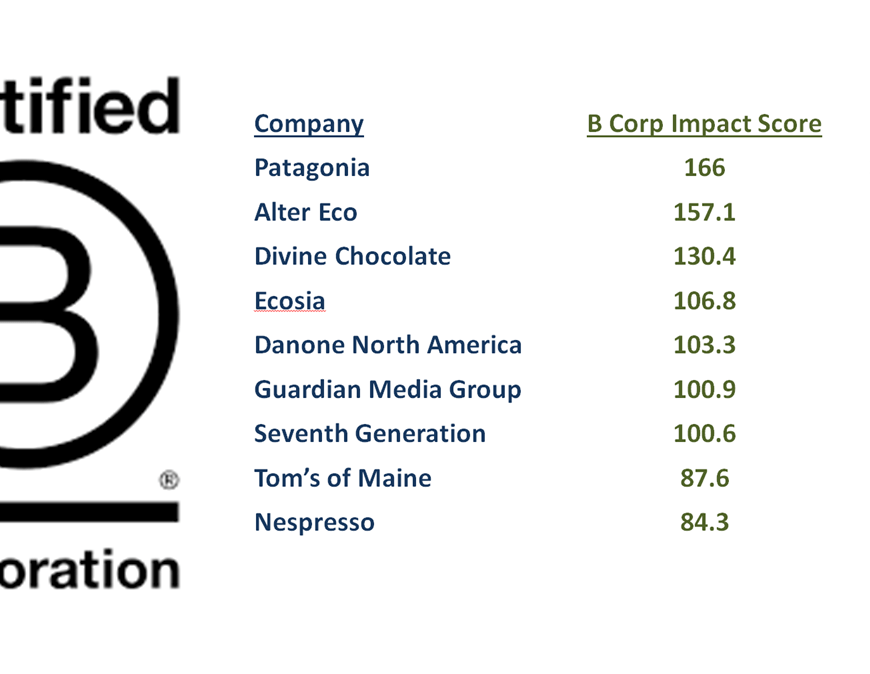
Third-party certifications provide one of the more accessible ways to practice ethical consumption. They provide a means of communicating to the consumer that a corporate supply chain maintains certain social or environmental standards. This topic is highly relevant right now because of the systematic undermining of regulations, environmental protections, human rights, and corporate oversight that is taking place in America. Continue reading Should you support fair trade?

Dave's Killer Bread logo is pictured. This comprises a drawing of a man with long hair and mustache in a red T-shirt playing an electric guitar. Over this are the words Dave's Killer Bread. Dave's Killer Bread second chances program.

Second Chances – Dave’s Killer Bread

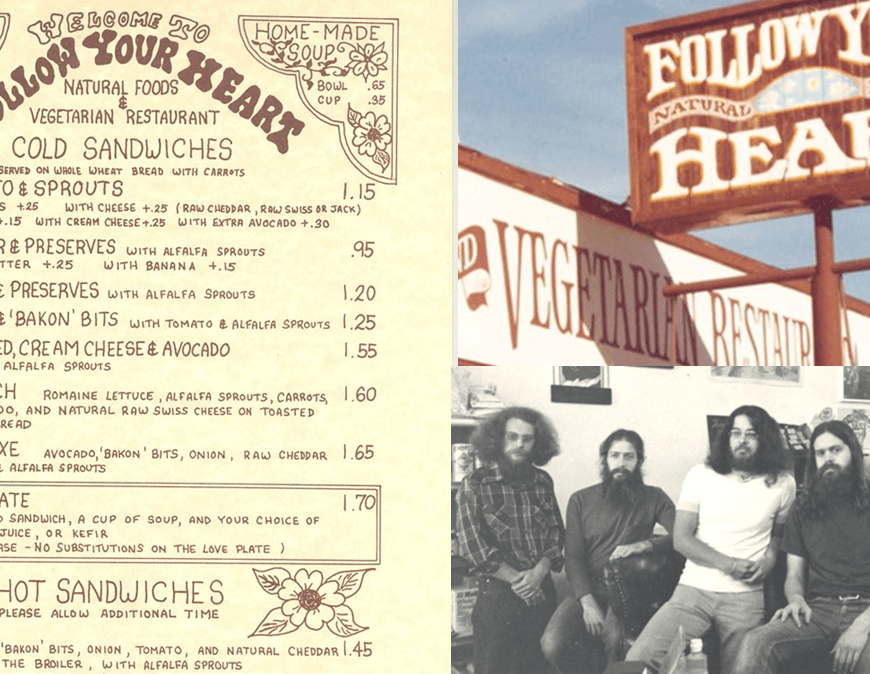
I was not aware of the story behind Dave’s Killer Bread until I researched the brand, last week. All I knew was that Dave was a long-haired dude who played guitar and was now making a range of healthy, organic breads. Before joining his family’s bakery to form the brand Dave’s Killer Bread, Dave spent 15 years of his life in prison. Continue reading Second Chances – Dave’s Killer Bread