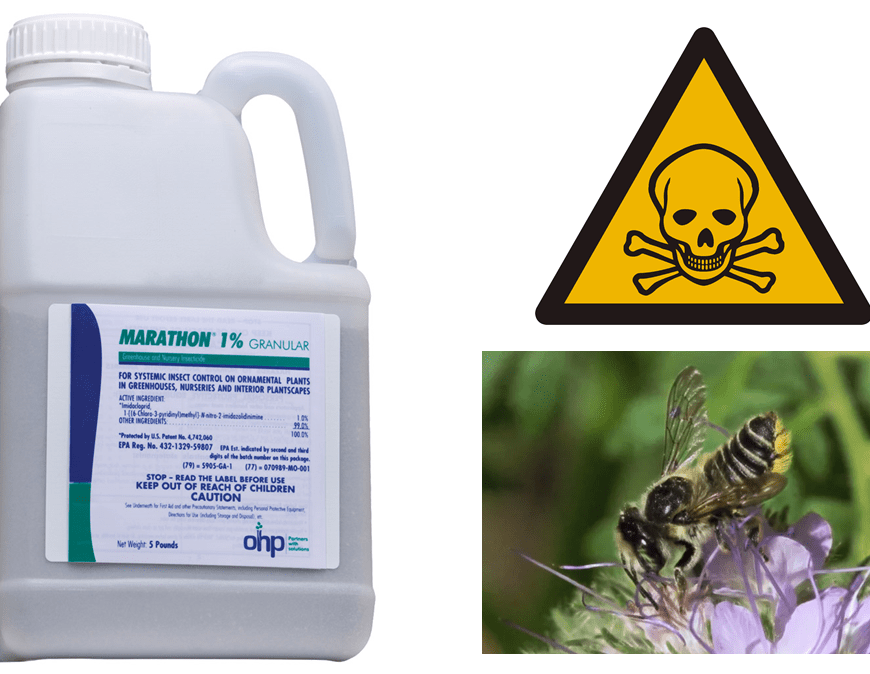
Marathon (imidacloprid) used on ornamental plants kills bees

Marathon is a formulation of the neonic insecticide, imidacloprid, that’s commonly used on ornamental plants in nurseries, garden centers, and homes across the US. A 2021 University of California paper shows that the application of Marathon, even at 30% of the recommended dose, killed 90% of leafcutter bees. Continue reading Marathon (imidacloprid) used on ornamental plants kills bees


Supporting charities on eBay

I recently discovered that you can filter search results on eBay to show only items that benefit charities. Buying used items reduces your impact (carbon and material footprints, social impact) massively over buying new items. Buying used items from a charitable organization is even better. I’ll describe two ways to search eBay for items that benefit charities. Continue reading Supporting charities on eBay

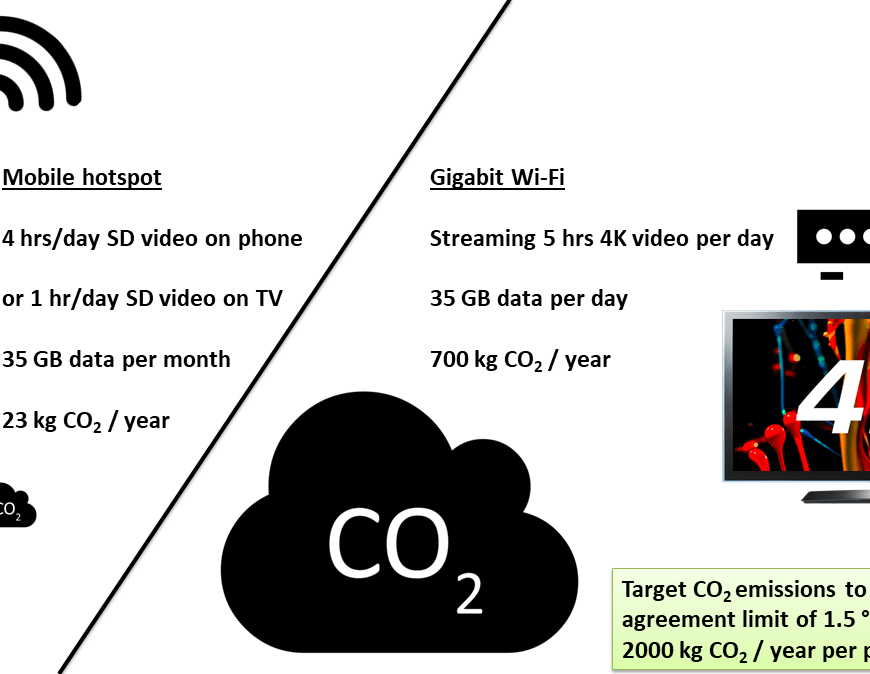
The carbon footprint of data (& why I quit AT&T Wi-Fi)

I quit my home Wi-Fi service from AT&T and am completely happy with that decision. Now I simply use my phone as a mobile hotspot, saving money and reducing my carbon footprint. I’ve estimated the carbon footprint of data at around 0.054 kg of CO2 per 1 GB of data. Streaming HD video is by far the largest consumer of data for most people. Continue reading The carbon footprint of data (& why I quit AT&T Wi-Fi)

Conagra – sustainability and ethical rating

Conagra Brands is one of the largest food companies in the world. Conagra’s greenhouse gas emissions and waste generation have increased from 2019 to 2020. The introduction of compostable bowls for frozen dinners is a bright spot in a corporation that’s firmly in the avoid category for me. 1/5 Green Stars for social and environmental impact. Continue reading Conagra – sustainability and ethical rating