Paul McCartney protests plant-based milk charges at Peet’s

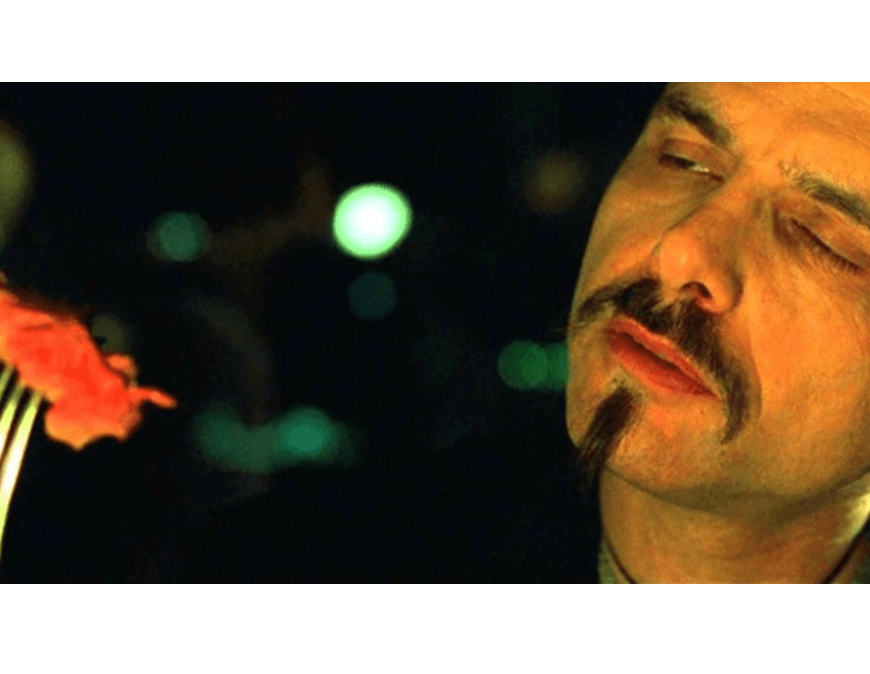
Paul McCartney is asking Peet’s Coffee & Tea to drop its charges for plant-based milks. This made my happy for a couple of reasons. For one thing, it’s good to see someone, especially someone as famous as (Sir) Paul McCartney, focusing on the details. Continue reading Paul McCartney protests plant-based milk charges at Peet’s

A world map published by the AWARE model (2018) ranks water scarcity on a scale of 0.1 to 100. Regions are colored various shades of blue, cream, and red depending on the level of water scarcity.

The best way to reduce your water footprint

When it comes to water usage, there are several different angles to consider: blue water, green water, and water scarcity, for example. There are also significant differences in the reported water footprints of various consumer goods. There is, however, fairly universal agreement on the best way to reduce our water footprint. Continue reading The best way to reduce your water footprint

Various diets combined with organic agriculture - feasibility without deforestation. The image shows three scenarios. In the first, the rich diet (5.5. lbs. of meat per week) and organic food is not feasible without deforestation in any scenario. In the second, a global average diet (1.8 lbs. of meat per week) is feasible but only with cropland expansion. In the third, vegetarian and vegan diets and organic food are feasible without deforestation.

How to feed the world without further deforestation

A key research paper investigated whether we will be able to feed the human population in 2050 without further deforestation. The researchers examined 500 scenarios of food production (high-yield intensive agriculture versus lower-yielding organic) and consumption (various diets) to find out which scenarios do not require additional encroachment on forests. The details of which scenarios work and which don’t provide crucial guidance on our food shopping habits. Continue reading How to feed the world without further deforestation

Comparing the land footprint of 1 kg beef to eggs, bread, tofu, and split peas. For 1 kg of beef, you could have 52 kg of eggs (1000 eggs), 86 kg of bread, 94 kg of tofu, or 45 kg of split peas for the same land footprint.

The environmental footprints of meat and other foods

As you probably know by now, the kind of food we choose to eat has a major impact on climate change, deforestation, pollution, biodiversity losses, water use, and food security. But the extent to which our various food options impact these environmental and social issues has, surprisingly, not been well-covered by the media. These details are obviously important for people who want to reduce their impact on the planet, but can’t immediately switch to a vegan diet (which includes most people). Continue reading The environmental footprints of meat and other foods