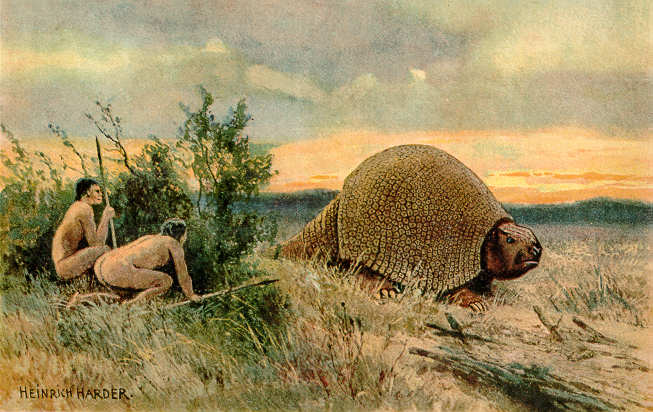
Is the Paleo Diet heathy? A 20th century painting of two hunter-gatherers hunting a glyptodon in the Paleolithic era.

The Paleo Diet: science, health, and sustainability

In this post I’m going to take a look at the “Paleo Diet” from a few perspectives: Is it based on solid science? Is it healthy? Is it good for the planet? In the last post I reviewed the scientific literature on the impact of low-carb diets on health and found that the evidence overwhelmingly showed that a low-carb diet reduces the human lifespan. The … Continue reading The Paleo Diet: science, health, and sustainability

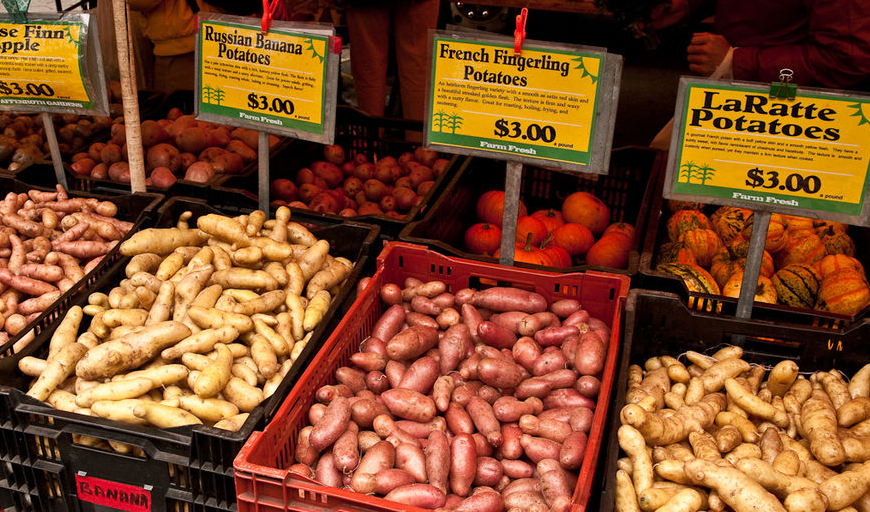
Are low-carb diets good for you? A photo of various varieties of potatoes in crates.

Are low-carb diets good for you? Sustainability and health benefits of carbs

Continuing on the theme of ethical consumerism and health, I’m going to take a look at the sustainability and health benefits of carbohydrates, and especially on the question of whether low-carb diets are good for you. But there’s a lot of material to cover, so I’m going to first look at scientific studies on low-carb diets and health.. Then, in the next couple of posts … Continue reading Are low-carb diets good for you? Sustainability and health benefits of carbs

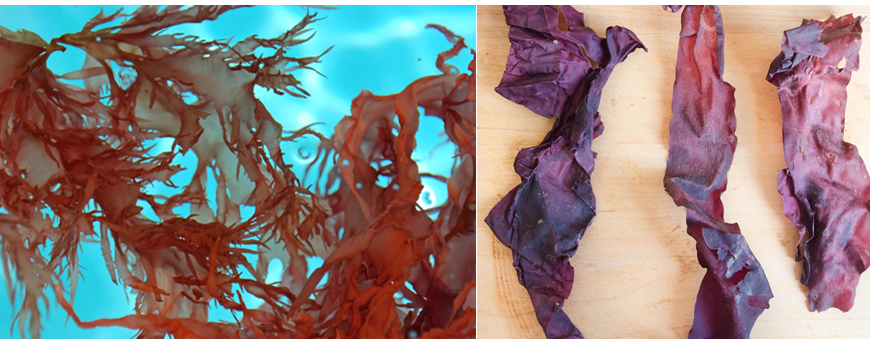
The left image shows the red seaweed dulse growing in blue ocean water. The right image shows crispy dulse on a wooden board.

Why you should eat seaweed: sustainability and health benefits

In this first post on the relationship between ethical consumerism and health I’m going to take a look at the sustainability and health benefits of… seaweed! First I’ll cover the sustainability of seaweed and then the health benefits – and one health benefit in particular that made science headlines this month. Sustainability of seaweed I touched upon seaweed before, in a post on potato chips … Continue reading Why you should eat seaweed: sustainability and health benefits

Images of Dairy Pure milk from Dean Foods and plant-based milk from Ripple Foods. Underneath is a graphic showing the ethical rating for these products: 1/5 and 4.5/5 Green Stars, respectively.

Dean Foods bankruptcy and ethical consumerism

Dean Foods, the largest dairy company in the US, filed for bankruptcy this week. Sad news for employees, but perhaps a positive indicator for ethical consumerism. Is the myth of the ethical consumer becoming a reality? (The myth of the ethical consumer refers to the idea that, while many of us prioritize ethical choices in theory, sales data indicate that these choices are often not … Continue reading Dean Foods bankruptcy and ethical consumerism

A picture of a toothpaste tube, annotated to suggest that 80% of the toothpaste is used in 4 weeks but the remaining 20% lasts for 4 months

What is ethical consumerism?

To me, ethical consumerism is a pretty self-explanatory term and I think that most people have a good idea of what it means. But it’s worthwhile to take a fresh look at the concept from time to time and address any misconceptions that crop up. So here’s a quick guide to ethical consumerism from the Green Stars Project: 1.     Ethical consumerism means consuming less 2.     … Continue reading What is ethical consumerism?

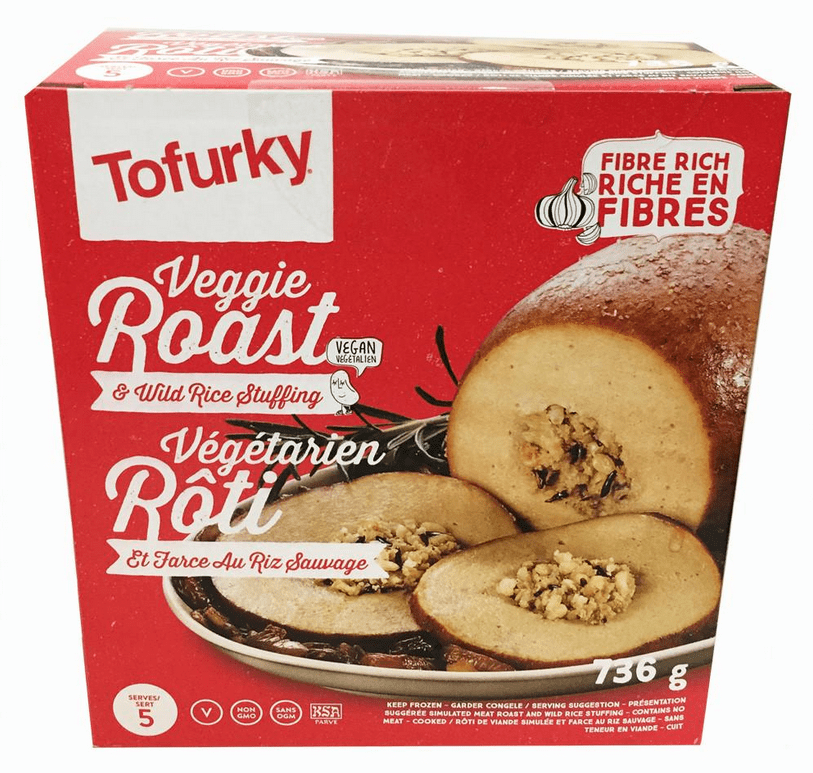
Packaging for the Tofurky veggie roast with wild rice stuffing

Daily Footprint, #35 – Tofurky

Tofurky (made by the charmingly-named Turtle Island Foods, based in Portland, Oregon) has been around since the 1980s and is still a family-owned company. Founder, Seth Tibbot had this to say about the journey: Armed with my life savings of $2500 and a passionate love for soybeans, I rented a small space in the back of the Hope Coop Café in Forest Grove, Oregon, and … Continue reading Daily Footprint, #35 – Tofurky

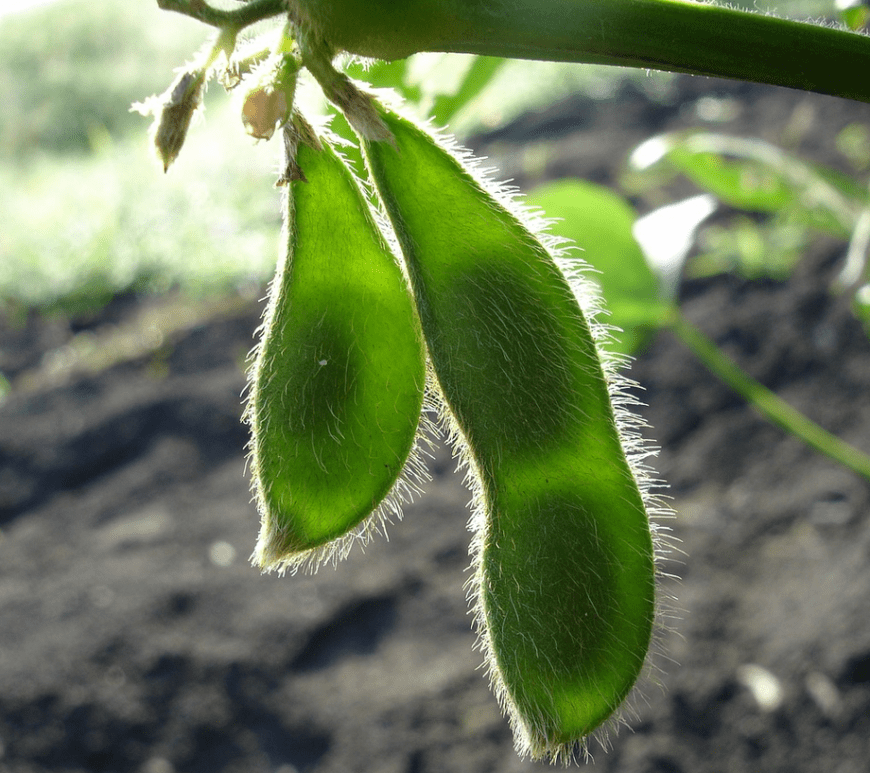
Two soybean (soya bean) pods hanging from a plant in a field.

Daily Footprint, #34 – Tofu

I was going to cover a specific soy-based product for this fourth post on meat-alternatives. However, I think it’s best to cover soy in general as the topic requires a post to itself. So, as a proxy for soy, I’m going to cover the most common meat-substitute in the world: tofu! A note about terminology: in Europe they are generally called soya beans and in … Continue reading Daily Footprint, #34 – Tofu

A package of "The Stallion" sausages from No Evil Foods, composed of cardboard.

Daily Footprint, #33 – No Evil

Continuing on the theme on meat alternatives, I’m going to take a look at No Evil Foods, which began in 2014 by selling homemade products in farmers’ markets in North Carolina and has grown since then, recently expanding to Whole Foods markets across the US. They make a range of high-protein products to cook with and in this post I’ll focus mainly on their sausages, … Continue reading Daily Footprint, #33 – No Evil