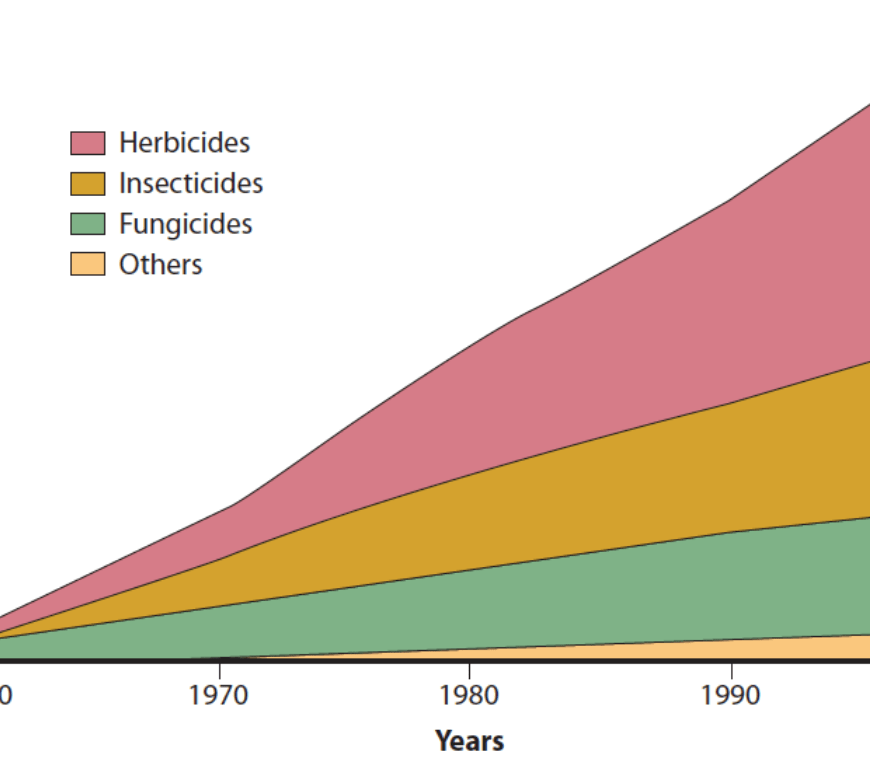
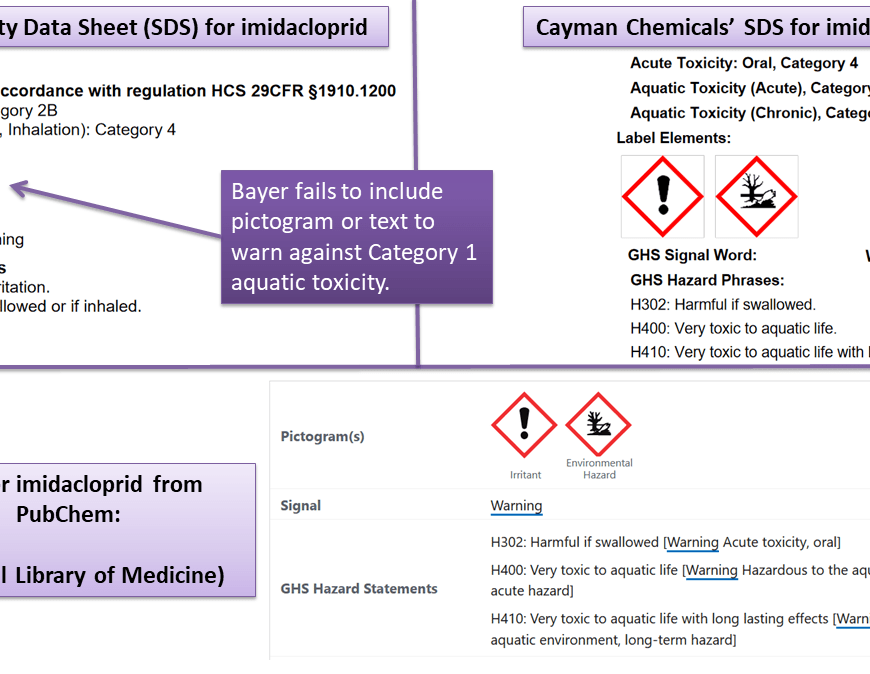
Risk-benefit analysis of Bayer’s imidacloprid

Bayer’s imidacloprid is one of the most widely used insecticides and belongs to a group of pesticides known as neonics (or neonicitinoids), which target insects’ nervous systems. Following extensive research I present a risk/benefit analysis for imidacloprid. Neonics are often used by default, for example as seed coatings, and yet offer no benefit in many cases. The risks, on the other hand, are sobering and demand immediate action. Continue reading Risk-benefit analysis of Bayer’s imidacloprid

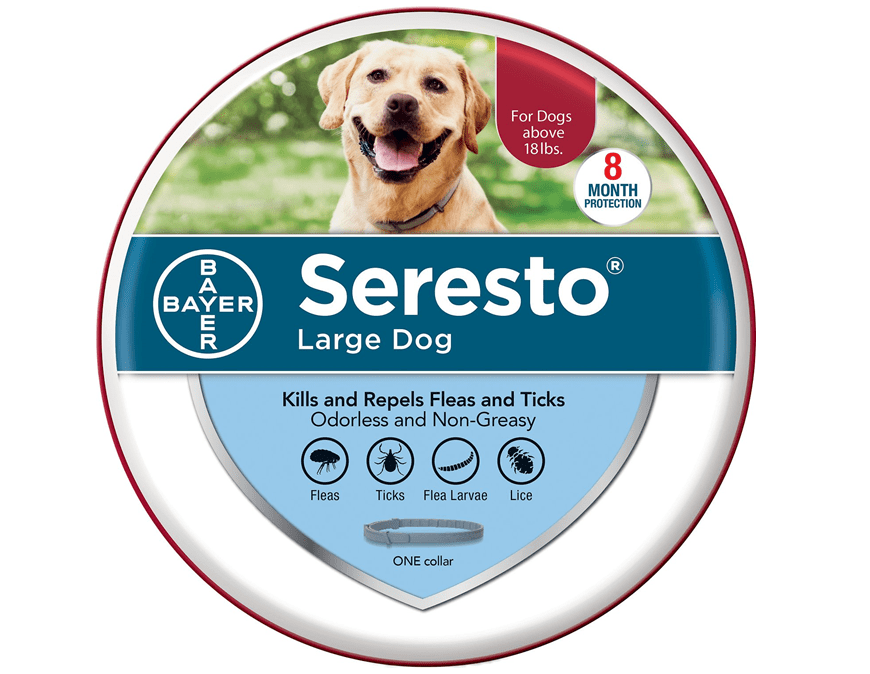
Seresto flea collar and imidacloprid. A package containing a Seresto flea collar is shown, bearing the Bayer logo. The product is now sold by Elanco, which bought Bayer's animal health division in 2019.

Seresto flea collar & imidacloprid

Earlier in March, USA Today reported that bestselling Seresto flea collars have been linked to 1700 pet deaths in the US – and that’s just going by the number reported to the Environmental Protection Agency (EPA); the actual number is expected to be higher. The story originated from Johnathan Hettinger at the Midwest Center for Investigative Reporting, a non-profit newsroom focused on agribusiness and related … Continue reading Seresto flea collar & imidacloprid

Two soybean (soya bean) pods hanging from a plant in a field.

Daily Footprint, #34 – Tofu

I was going to cover a specific soy-based product for this fourth post on meat-alternatives. However, I think it’s best to cover soy in general as the topic requires a post to itself. So, as a proxy for soy, I’m going to cover the most common meat-substitute in the world: tofu! A note about terminology: in Europe they are generally called soya beans and in … Continue reading Daily Footprint, #34 – Tofu

Daily Footprint, #17 – Honey: So what exactly is happening to the bees? (Part 3)

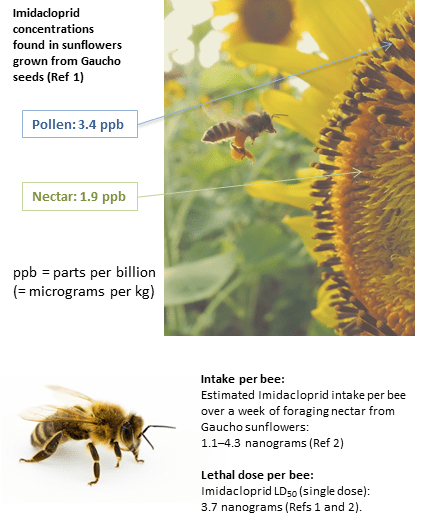
Here’s the third post looking at the evidence that neonics are harmful to bees. I’m a research scientist and have no agenda here, other than uncovering the truth. In parts one and two I’ve focused on the toxicity of the best-selling insecticide, imidacloprid, to honey bees. But nature is complex, particularly systems like a bee colony that work together as a collective, dependent on nectar … Continue reading Daily Footprint, #17 – Honey: So what exactly is happening to the bees? (Part 3)

An image of a bee foraging on a sunflower with numbers showing that the estimated weekly intake of the neonic pesticide imidacloprid is in the range of the lethal dose.

Daily Footprint, #15 – Honey: So what exactly is happening to the bees?

As I’m sure you know, changes in the the honey bee population has been a subject of much debate for the last decade. The chart below from Bee Informed shows that around 23% of bee colonies were lost in the US during the winter of 2015/2016, significantly higher than expected losses during hibernation. But bees are also being lost in spring and summer, through abrupt … Continue reading Daily Footprint, #15 – Honey: So what exactly is happening to the bees?