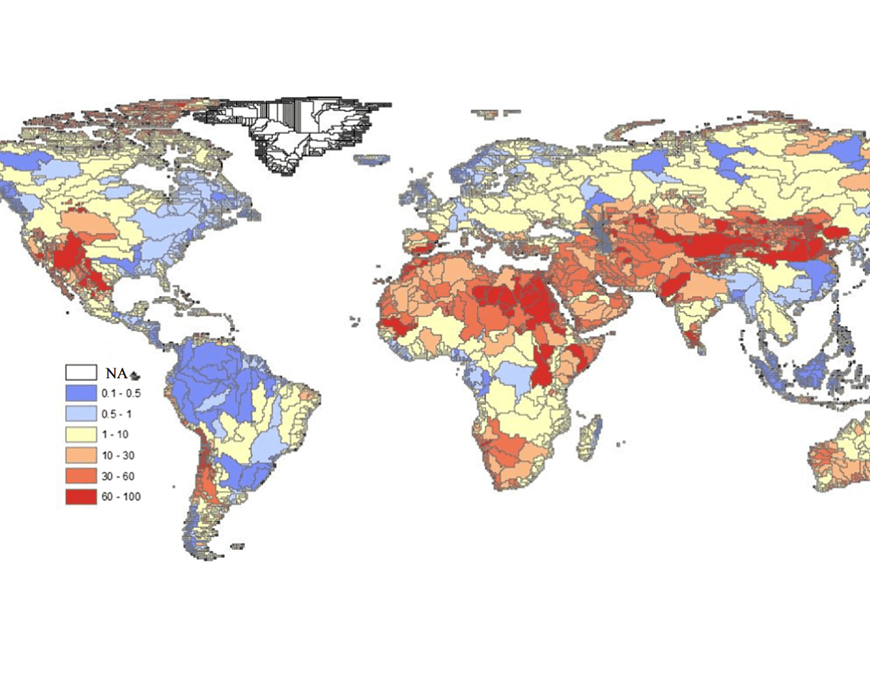
A world map published by the AWARE model (2018) ranks water scarcity on a scale of 0.1 to 100. Regions are colored various shades of blue, cream, and red depending on the level of water scarcity.

The best way to reduce your water footprint

When it comes to water usage, there are several different angles to consider: blue water, green water, and water scarcity, for example. There are also significant differences in the reported water footprints of various consumer goods. There is, however, fairly universal agreement on the best way to reduce our water footprint. Continue reading The best way to reduce your water footprint

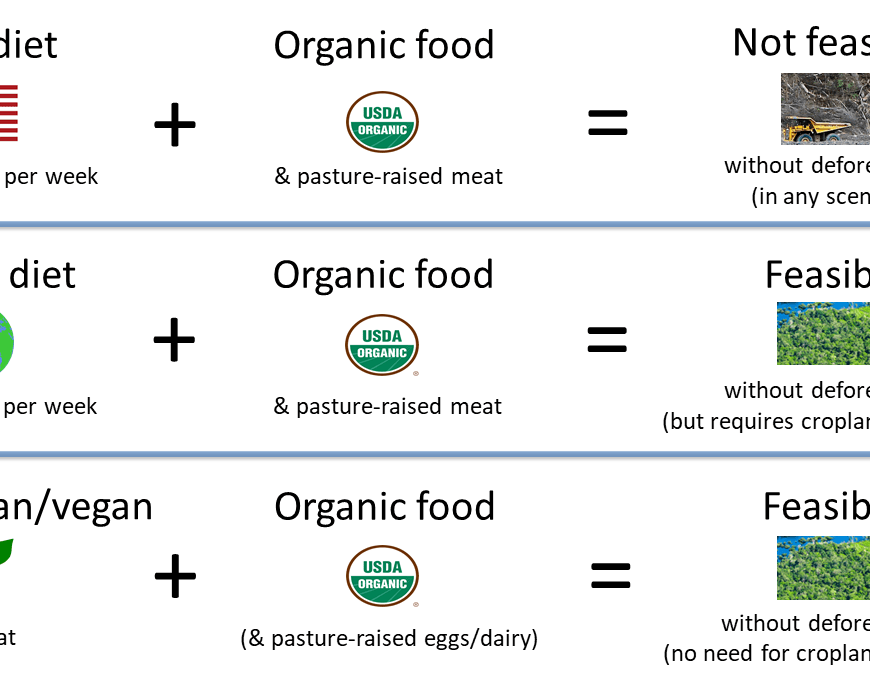
Various diets combined with organic agriculture - feasibility without deforestation. The image shows three scenarios. In the first, the rich diet (5.5. lbs. of meat per week) and organic food is not feasible without deforestation in any scenario. In the second, a global average diet (1.8 lbs. of meat per week) is feasible but only with cropland expansion. In the third, vegetarian and vegan diets and organic food are feasible without deforestation.

How to feed the world without further deforestation

A key research paper investigated whether we will be able to feed the human population in 2050 without further deforestation. The researchers examined 500 scenarios of food production (high-yield intensive agriculture versus lower-yielding organic) and consumption (various diets) to find out which scenarios do not require additional encroachment on forests. The details of which scenarios work and which don’t provide crucial guidance on our food shopping habits. Continue reading How to feed the world without further deforestation

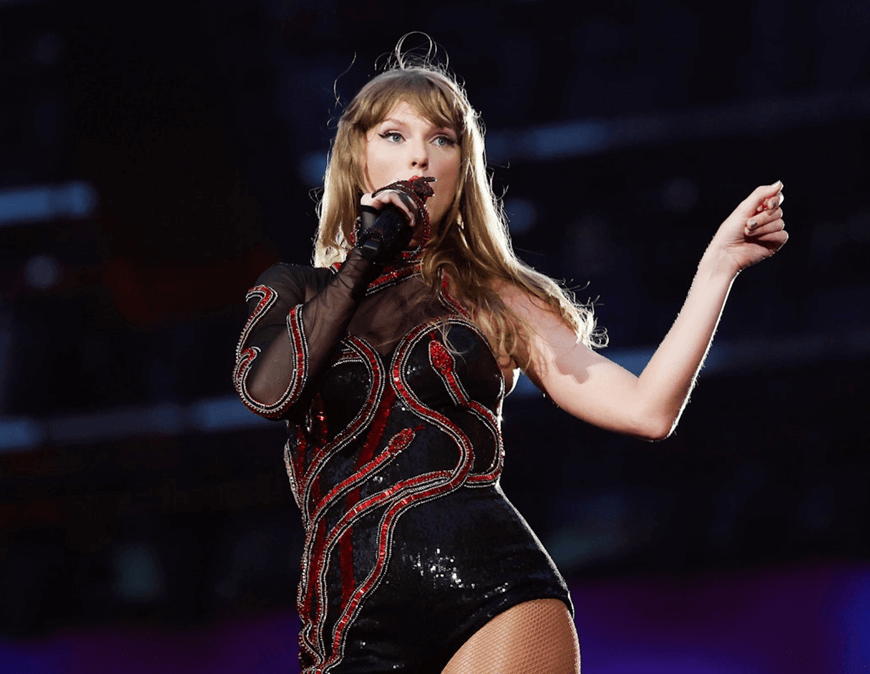
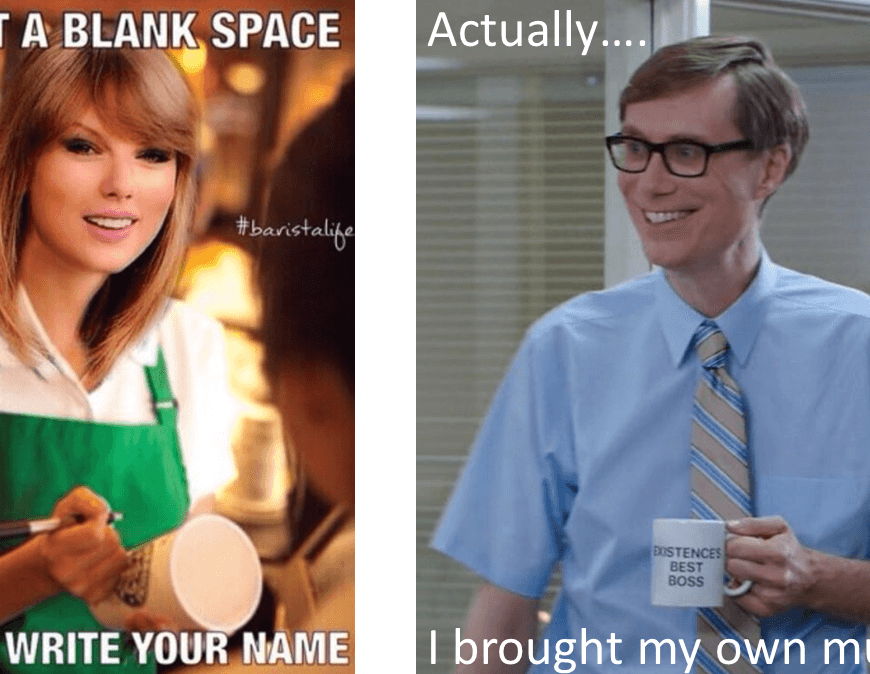
The image on the left shows Taylor Swift dressed in a Starbucks apron, ready to write on a cup. The text around that image reads, "I've got a blank space baby... and I'll write your name." On the right is a photo of Stephen Merchant, holding a coffee cup in a scene from The Good Place. The text around this image reads, "Actually, I brought my own mug!" Starbucks Lovers: Bring your own darn mug!

Starbucks Lovers: Bring your own darn mug! PS: Free coffee!

In this post I’m going to outline a game plan to incentivize all the lonely Starbucks lovers to finally start bringing their own reusable cups! The bonus stars that you earn by bringing a personal cup will score you a free bag of coffee beans in no time. If you select organic beans, this will put a little extra pressure on Starbucks to source ethically. Continue reading Starbucks Lovers: Bring your own darn mug! PS: Free coffee!

As described in the caption, the image is a composite of food images. The left side shows the composition of the actual diet consumed in the Lancet study, dominated by white bread, cake, cookies, confectionery, pizza, soda, etc. A logo for Quorn occupies a tiny portion of the image, annotated with "In reality, plant-based meat substitutes represented only 0.2% of caloric intake!" On the right is a selection of images of plant-based meat products such as Quorn and Beyond Meat, representing a plant-based diet implied in the Lancet paper.

Ultra-processed food: How meat and dairy are co-opting the narrative

This is the first of two posts detailing how the UPF conversation is a front line in the war against plant-based food. As a case study, I take a look at a high-profile research paper, published in The Lancet last month, and the media coverage that delivers a very misleading message. Continue reading Ultra-processed food: How meat and dairy are co-opting the narrative

Meat versus legumes. On the left are images of various legumes, a bowl of tarka dal, and a box of Beyond Meat burgers. On the right is an image of cows tethered to a feed box and and piece of beef.

The war over the most critical ethical dilemma

Beef and legumes, the most popular sources of protein in the animal and plant worlds, respectively, are at opposite extremes in terms of environmental and social impact. There has been a large-scale war playing out over this dilemma – here is a summary of some of the battlegrounds. Continue reading The war over the most critical ethical dilemma