Daily Footprint, #17 – Honey: So what exactly is happening to the bees? (Part 3)

Here’s the third post looking at the evidence that neonics are harmful to bees. I’m a research scientist and have no agenda here, other than uncovering the truth. In parts one and two I’ve focused on the toxicity of the best-selling insecticide, imidacloprid, to honey bees. But nature is complex, particularly systems like a bee colony that work together as a collective, dependent on nectar … Continue reading Daily Footprint, #17 – Honey: So what exactly is happening to the bees? (Part 3)

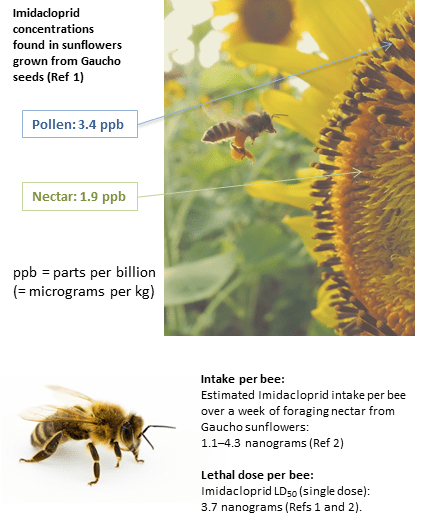
An image of a bee foraging on a sunflower with numbers showing that the estimated weekly intake of the neonic pesticide imidacloprid is in the range of the lethal dose.

Daily Footprint, #15 – Honey: So what exactly is happening to the bees?

As I’m sure you know, changes in the the honey bee population has been a subject of much debate for the last decade. The chart below from Bee Informed shows that around 23% of bee colonies were lost in the US during the winter of 2015/2016, significantly higher than expected losses during hibernation. But bees are also being lost in spring and summer, through abrupt … Continue reading Daily Footprint, #15 – Honey: So what exactly is happening to the bees?

Daily Footprint, #14 – Celebration Day: Zero-Waste Party

Happy Earth Day! As you’ve probably gathered, the Daily Footprint is about evaluating the social and environmental impact of the stuff we use every day. But what if we’re dealing with a special day that requires some kind of celebration? We’ve already had New Year’s, Valentine’s Day, St. Patrick’s Day, Easter, among others, and probably a family birthday or two. It’s at times like these … Continue reading Daily Footprint, #14 – Celebration Day: Zero-Waste Party

Truth, revisited.

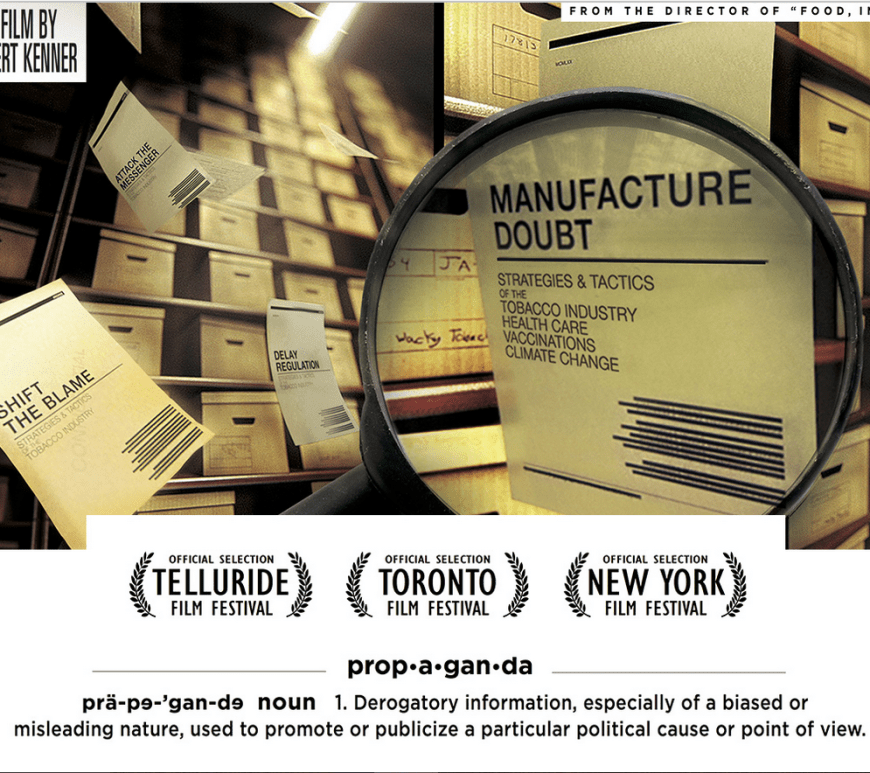
I just finished watching Merchants of Doubt and will have to spend the rest of the day trying to channel my frustration into something positive. It’s a great documentary (based on a book by Naomi Oreskes) that investigates the industry-sponsored practice of quashing research or movements that are inconvenient to them. The title refers to the so-called “independent experts” funded by industries to create confusion … Continue reading Truth, revisited.

Daily Footprint, #7 –Home Appliances – How to calculate your carbon footprint

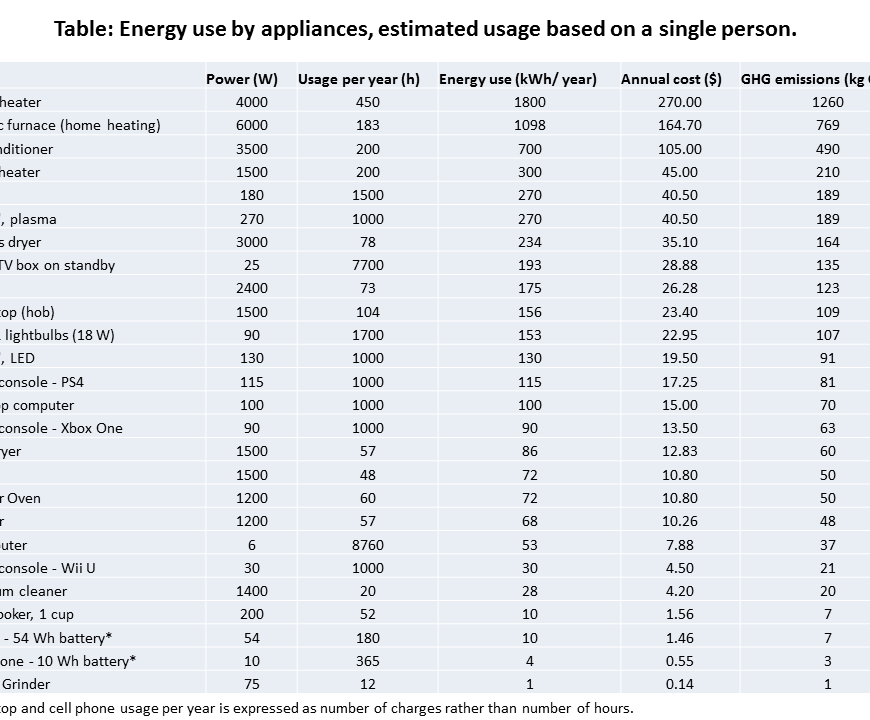
When purchasing (and reviewing) appliances it’s useful to know how much energy they consume: it may help you decide between different products and also give you an idea of whether energy efficiency is an important factor relative to other criteria. Continue reading Daily Footprint, #7 –Home Appliances – How to calculate your carbon footprint

A New Earth – Eckhart Tolle & Ethical Consumerism

One of my favorite non-fiction books of the last decade (actually it was published in 2005 but I didn’t discover it until a few years ago) is A New Earth by Eckhart Tolle. I bring it up because I think it ties into some aspects of the Green Stars Project that I haven’t gone into before, related to living a conscious life and living in … Continue reading A New Earth – Eckhart Tolle & Ethical Consumerism

Green Star Reviews from the Garden Island

I’ve been posting quite a few product reviews over the last two years. At first I posted them only on amazon.com, partly because it’s an obvious place to start (as the largest internet retailer and major resource for product reviews) and partly because it provides a good means of tracking progress. People vote on Amazon reviews (helpful or not) and this has been a very … Continue reading Green Star Reviews from the Garden Island

Proteinaholic / Integrity in Science

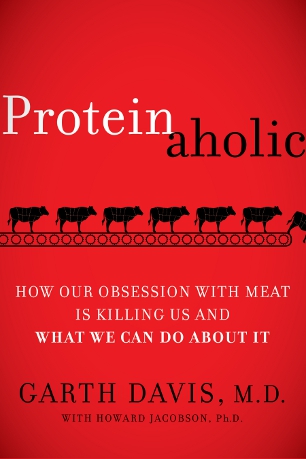
Diet Books! How many do we need, really? I have to admit though, when I see a shiny new hardback in the local bookstore with an eye-catching image (a big stack of sinister-looking bagels, or a piece of broccoli in the shape of a brain) and an author with credentials – Dr. Mitch Somebody, M.D. – it’s hard not to get sucked in. Especially when … Continue reading Proteinaholic / Integrity in Science

Cooking is Activism: Do It Yourself, part one.

When it comes to reducing our global footprint and avoiding corporations that we disapprove of, one of the most encouraging trends is that of DIY, or the culture of makers, to use a more hip parlance. This can involve anything from converting your car to run on biodiesel to knitting a scarf. For projects that require specialized tools and equipment, there are hundreds of spaces … Continue reading Cooking is Activism: Do It Yourself, part one.